Define the Lab Kitchen’s Purpose

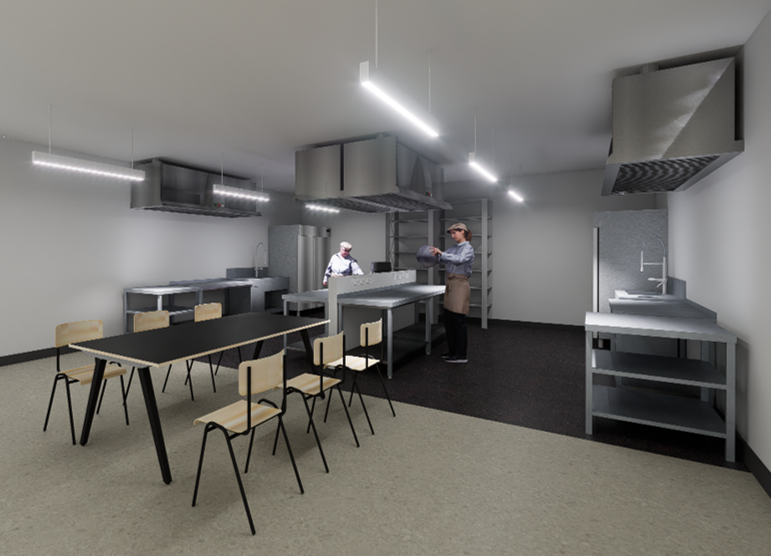
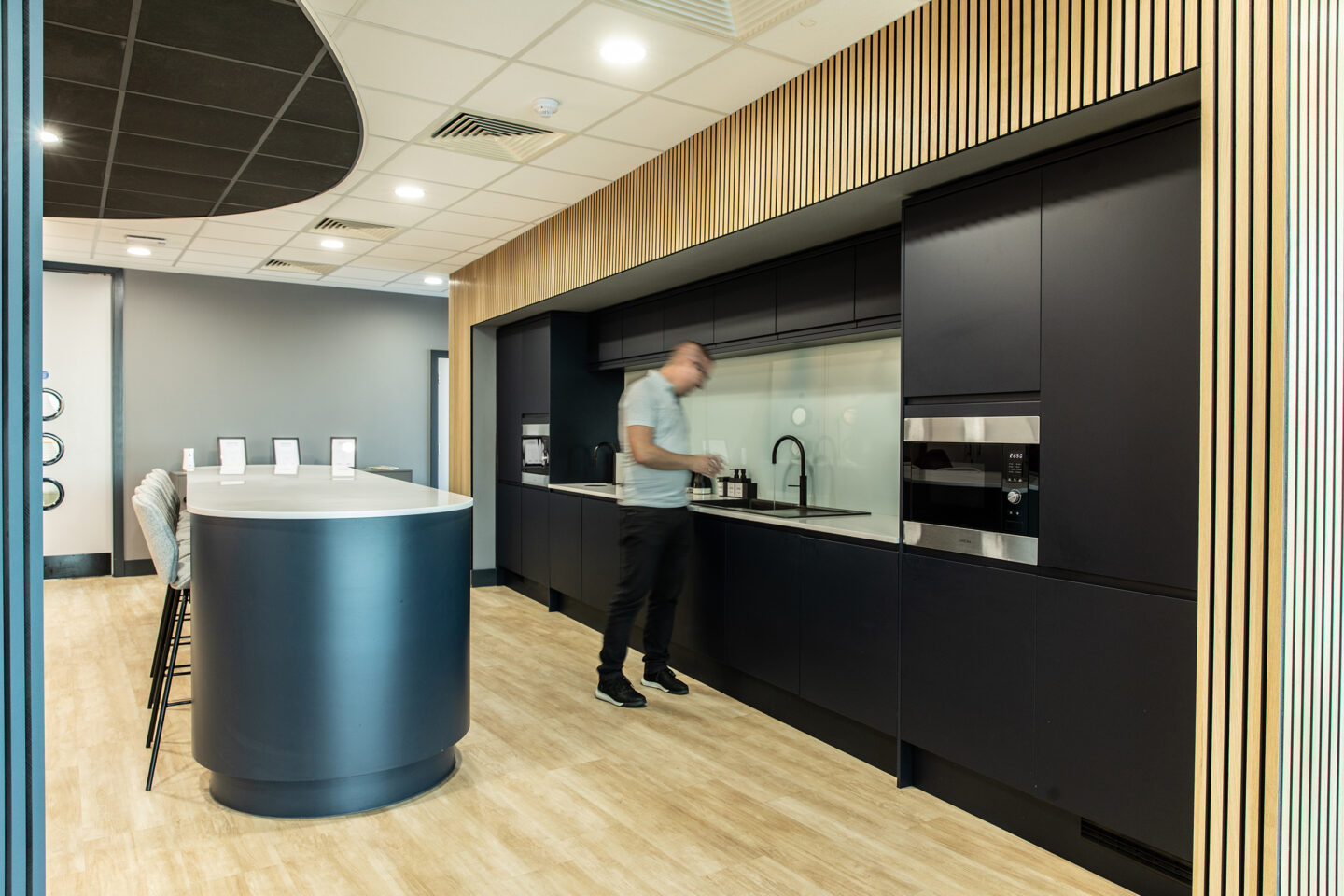
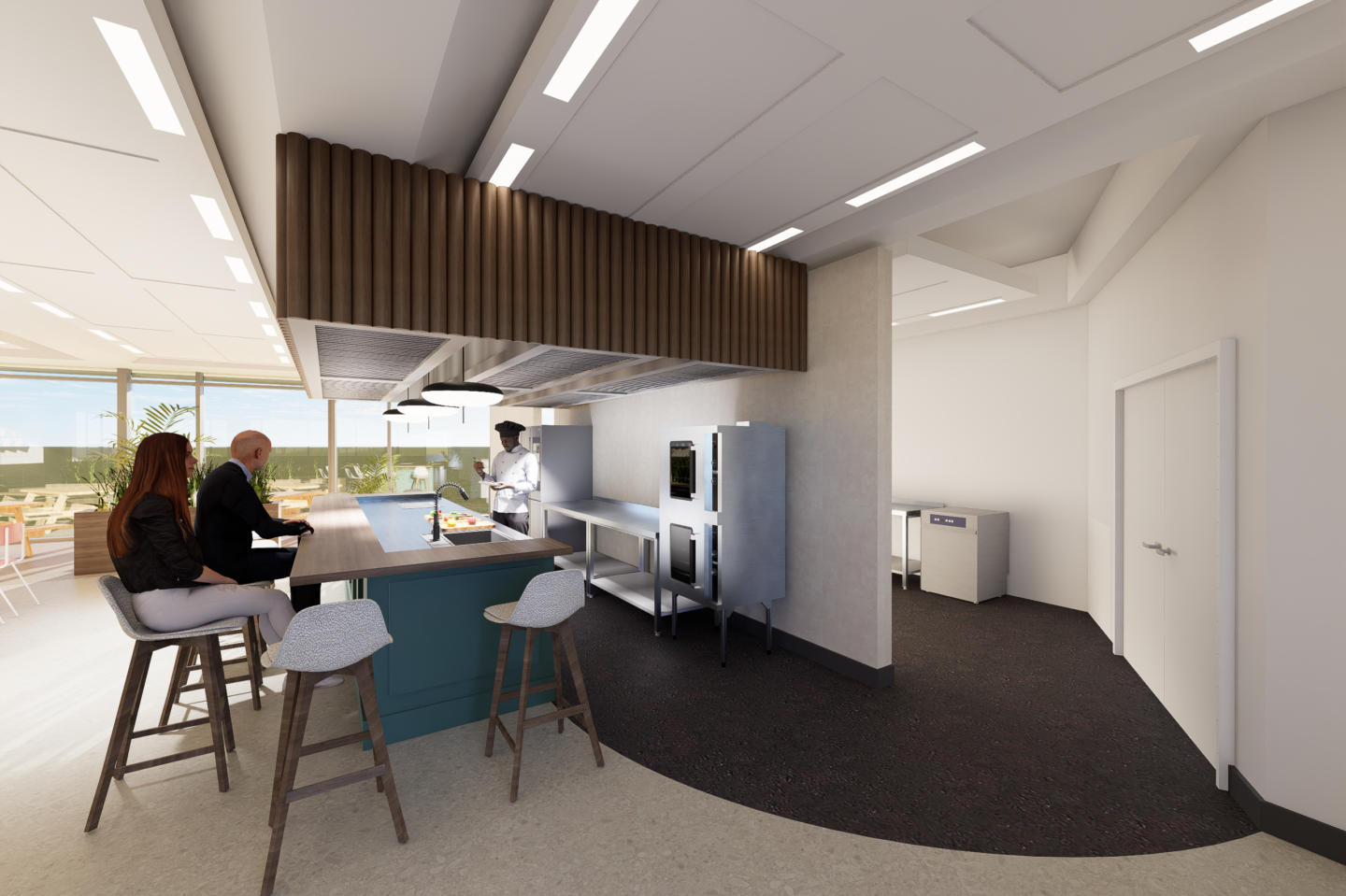
The first design stage is to determine what the kitchen lab will be used for, recipe vs product development. A recipe development kitchen needs various residential and commercial appliances to mimic different home cooking environments. A New Product Development lab might require specialised industrial equipment and services to ensure recipes can be scaled up for factory production. We also need to determine the number of people working simultaneously within the kitchen lab, to ensure adequate bench workspace and testing efficacy. It is also important to consider who is using the facility. It some of our more client facing test kitchens the visitor experience was prioritised, installing a comfortable viewing island and window for customer presentations and a webcam for live podcasts.
Plan the Layout and Workflow

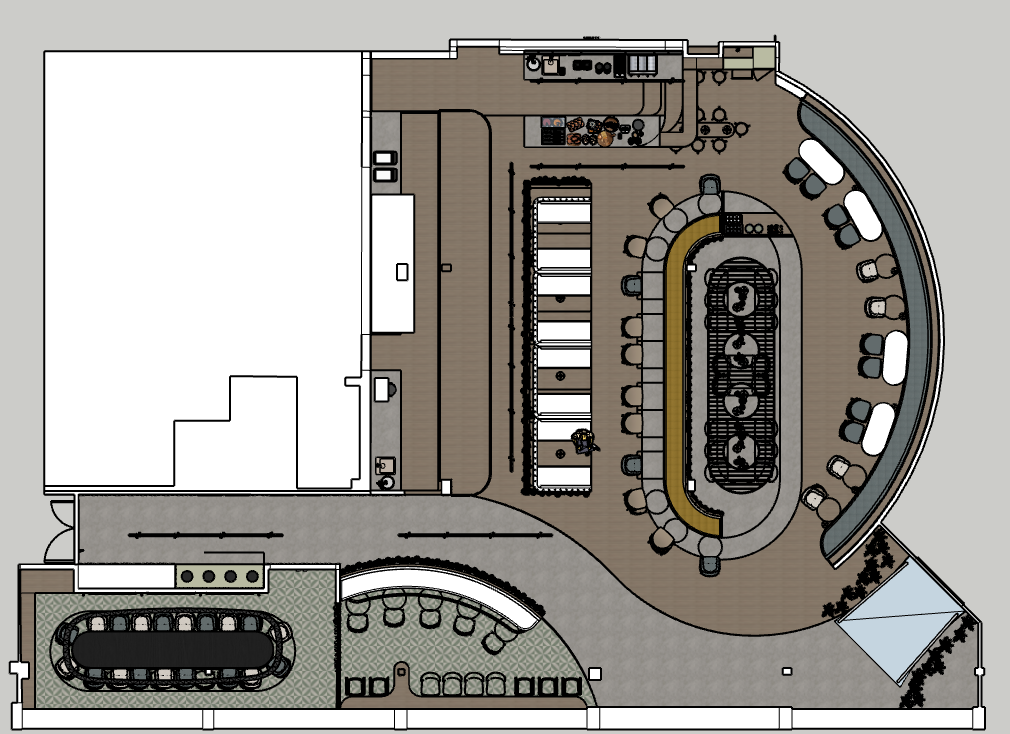
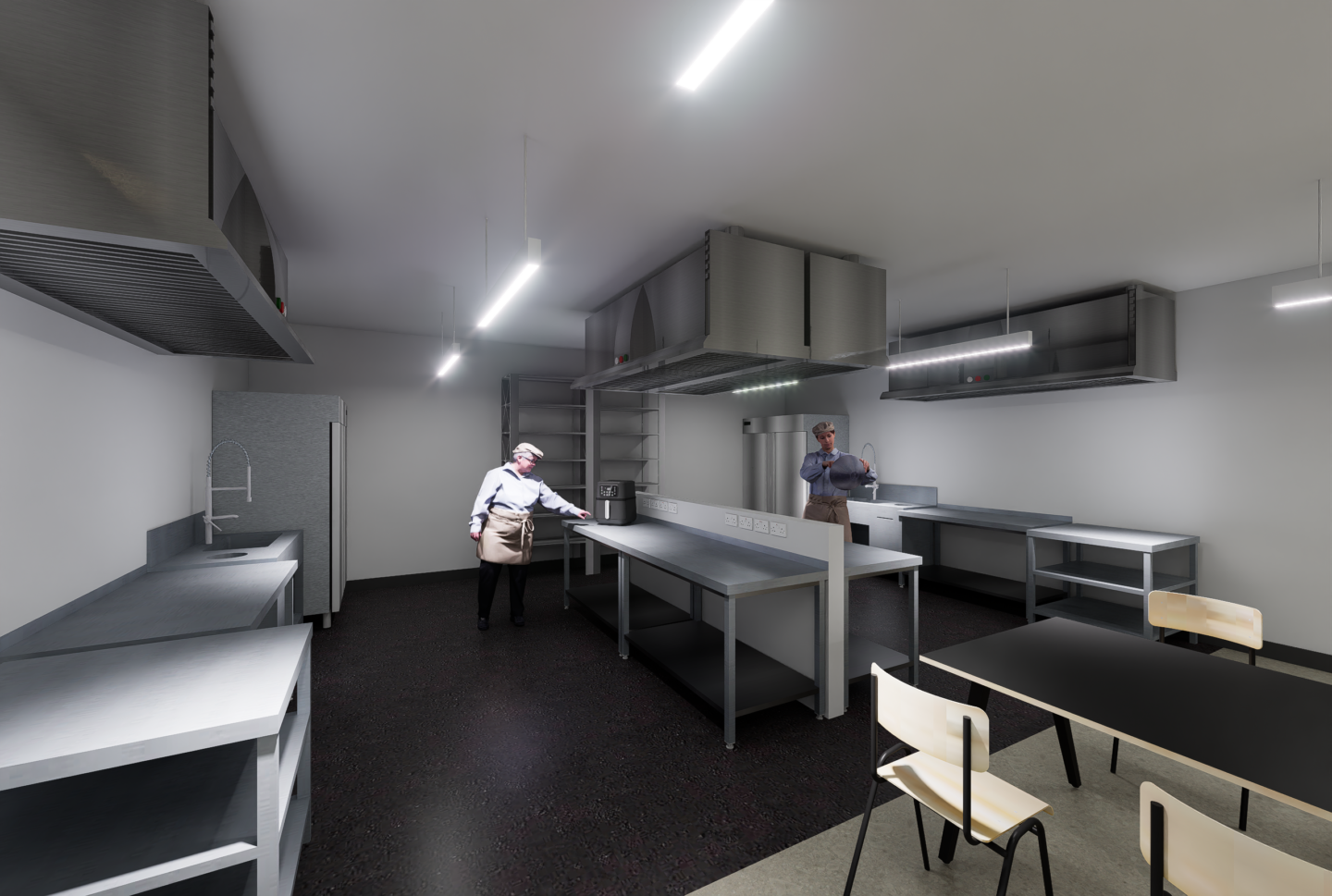
In our experience a linear zoned layout is crucial for efficiency and safety in a food testing kitchen. The design should minimise cross-traffic and unnecessary movement of personnel and materials between the different zones. We then separate the test kitchen into designated zones for different activities to prevent contamination. The “Work Triangle”: arrange the three main areas (refrigerator, main prep sink, and cooking area) in a triangular formation to ensure minimal steps between them. The cooking area is equipped with a full range of cooking appliances to mirror domestic use, including gas, electric, hobs, conventional ovens, microwaves’ and air fryers.

Maintaining the highest hygiene standing is essential in a food testing facility, with Hand washing condensers positioned throughout the workspace and a dedicated cleaning and dishwashing area, together with a zone to analysis and process test results.

Select Appropriate Equipment

Essential test kitchen equipment typically includes sharp knives, various-sized cutting boards, measuring tools such as cups, spoons, and scales, mixing bowls, ovens, refrigerators, and freezers. Depending on specific needs, specialty equipment may also be required, such as food processors, mixers, deep fryers, or temperature monitoring devices like thermometers. As kitchen lab designers, it is our job to ensure there is adequate storage and service provision, including power and ventilation for all equipment. Storage should be carefully planned, utilising vertical space with shelves and wall cabinets to keep frequently used tools within easy reach but off main work surfaces. Hazardous testing materials or cleaning products should be stored separately from food ingredients to maintain hygiene and safety.

Prioritize Hygiene and Safety

At Ben Johnson Interiors, we design test kitchens that prioritise hygiene, safety, and functionality. Our fit-outs carefully manage mechanical and electrical requirements to prevent overloads, with override cut-off switches, extraction, ventilation, and acoustic treatments to control odors and noise. Finishes are durable and easy to clean, from stainless-steel, high-pressure laminate, or solid timber worktops to vinyl or ceramic floors with coved edges. Where required, we integrate technology for demonstrations, security, and record-keeping, including digital screens, cameras, and fob-access systems, ensuring every element of safety, hygiene, and operational efficiency is covered

Back to top